

One of a caregiver’s greatest responsibilities is doing their best to protect the well-being of the person in their care, whether a family member or a client. According to the CDC, roughly one in four adults 65 and older falls each year, and many of those falls happen at home. The good news is that with some well-chosen home safety products for seniors and some simple habits, many falls and other accidents can be prevented.
Start Here: With A 15-Minute Home Safety Audit
Before you buy anything, walk through the home and check:
- Pathways: Are hallways, stairs, and the route from bedroom to bathroom clear of cords, clutter, and loose rugs?
- Lighting: Is there light for a nighttime bathroom trip without having to find a switch?
- Bathroom: Is there something sturdy to grip when standing, sitting, and stepping into the tub?
- Bedroom: Can the person get in and out of bed safely and reach a phone and water?
- Kitchen: Are frequently used items at waist-to-shoulder height, and are medications stored safely?
- Alarms: Do smoke and carbon monoxide detectors work, and do you know how old they are?
- Exits: Could the person get out in an emergency, and would first responders be able to get in?
Grab your Full Home Safety Checklist Below
Bedroom Safety Aids and Other Home Safety Products For Seniors
(Disclosure: Please note that this post contains affiliate links. If you click one of the links and make a purchase, we may receive a small commission that will help support this website. Thanks so much.)
This article is for general informational purposes and isn’t medical advice. Talk with your care recipient’s healthcare provider about their specific needs.
Easy-To-Adjust Bed Rail: Helps prevent accidentally rolling out of bed and gives a place to grip when sitting up and getting out of bed. It includes a pocket for keeping items within arm’s reach. *Please be sure to check with the doctor before installing to make sure okay for the person that you are providing care to.

Bedside Safety Handle- A good option when a full-size bed rail isn’t needed.

Washable Bed Pad With Handles: Protects the mattress from moisture and spills. Makes it much easier to reposition your care recipient onto their side or move them from bed to chair.

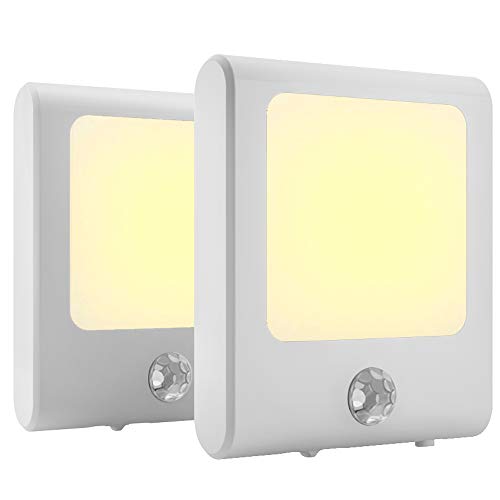
Motion-Activated Night Lights-Inexpensive and effective plug-in or battery-powered lights that glow when feet hit the floor. Place them along the path between bed and bathroom.
Bathroom Safety Products and Hygiene Aids
The bathroom is the highest-risk room in most homes: hard surfaces, water, and tricky transfers. If your budget is limited, spend here first.
Toilet Safety Rails: Adjustable handles and rail heights, with padded armrests for comfort and an easy grip.

Anti Slip Shower Grab Bar: A rust-proof, non-slip bar that anchors to the wall for sturdy support on slippery surfaces. Grab bars must be anchored into studs or with the proper wall anchors. Never use a towel bar or soap dish as a handhold.

Slip Avoidance Shower Stickers: Decorative, fade-resistant stickers applied to the tub or shower floor with eco-friendly adhesive.

Gorilla Grip Bath Rug: Thick, absorbent chenille with a textured rubber backing that holds up to repeated washing and drying.

Padded Shower Seat: Lightweight but sturdy, and easy to move in and out of the shower. It gives a stable place to sit while bathing.

Rinse Free Bathing Wipes: For days when a shower isn’t possible, these hypoallergenic, pH-balanced wipes provide a gentle refresh.

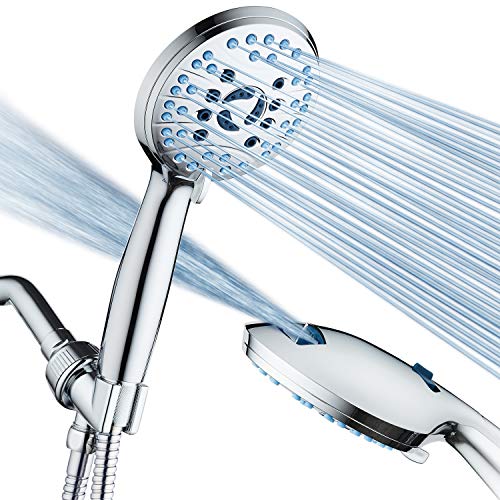
Handheld Showerhead-Features eight advanced settings and anti-clog nozzles. Extra-long 72-inch stainless steel hose, and low-reach wall bracket that mounts instantly and securely on any surface with power adhesive back.
Living Area and Kitchen Safety Products
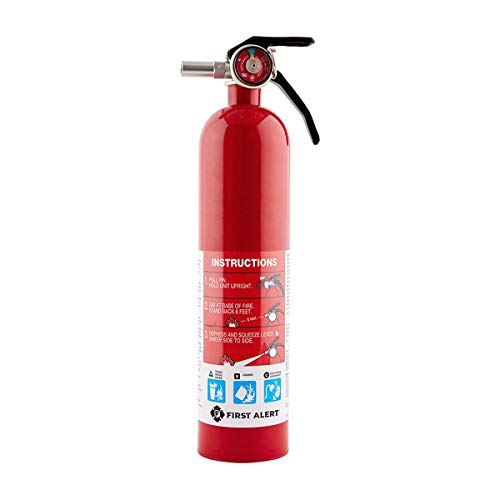
Rechargeable Home Fire Extinguisher: Simple three-step use, with a safety seal and pin to prevent accidental discharge. Keep it in the kitchen, check the pressure gauge regularly, and make sure everyone in the home knows where it is.
Carbon Monoxide Detector: A plug-in unit with battery backup. Put one on each level of the home, and several in a large single-story house. Detectors expire, so check the date printed on the back and replace the unit when it’s due. One of the most important home safety products for seniors.

Grabber Reach Tool: Lets a person pick things up without stooping or stretching overhead, both of which can cost them their balance. The grabber extends up to approximately 32 inches.

Weekly Pill Organizer or Automatic Pill Dispenser-Medication errors are a major home safety risk. A weekly organizer is the budget option, while locked, alarm-equipped dispensers can help when memory is a concern.

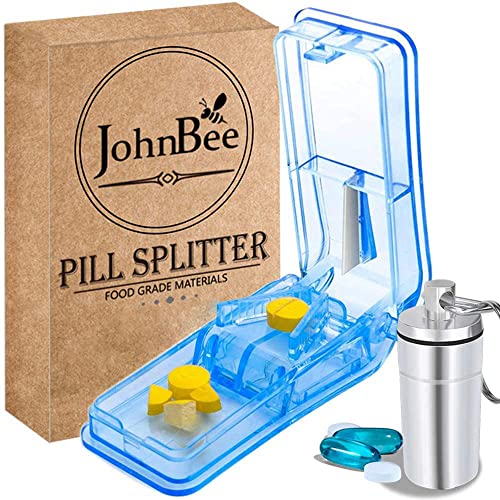
Pill Splitter: Safer than dividing pills with a knife, and it handles both small and large pills. Always check with a pharmacist first, because some medications, such as extended-release tablets, should never be split.
Smart Home Tech Home Safety Products For Seniors That Adds a Safety Net
You can’t be in the room every minute, and technology can help close the gap. Consider these, depending on your situation:
- Medical alert systems: Wearable buttons, and some models with automatic fall detection, connect your loved one to help at any hour.
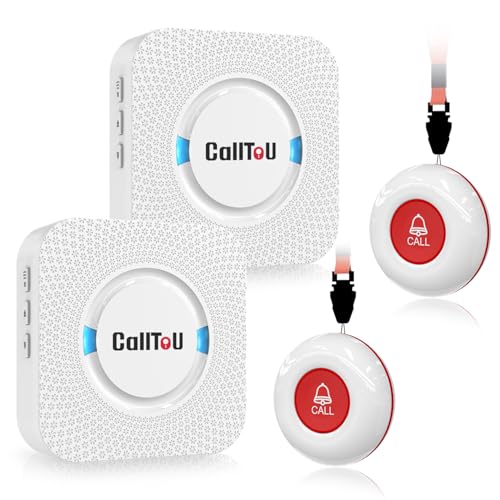
- Video doorbells and smart locks: These let you see who’s at the door and let in a visiting nurse or family member remotely.

- Smart plugs and stove auto-shutoff devices: These reduce fire risk for someone who might forget a burner or an appliance.

- Water leak and temperature sensors: These can alert you to a burst pipe or a house that’s too hot or cold.
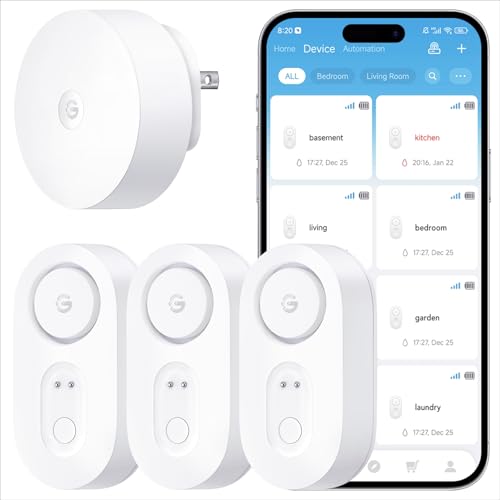
Be open with your loved one about any cameras or monitoring. Their dignity and consent matter, and they’re more likely to use a device they helped choose.
- Prioritize: Start with the bathroom and the bedroom path, where falls are most likely.
- Ask about coverage: Medicare and insurance coverage varies widely. Some items, such as walkers and certain bedside equipment, may qualify as durable medical equipment with a doctor’s order, while many bathroom aids typically don’t. Check your plan, and ask a social worker or your local Area Agency on Aging about assistance programs.
- Borrow before you buy: Many communities have equipment loan closets, which are useful for short-term needs like post-surgery recovery.
- Mix and match: Pair low-cost fixes, such as removing rugs, adding night lights, and rearranging cabinets, with a few key purchases.
Frequently Asked Questions
What are the most important home safety supplies for an elderly person?
Start with grab bars, a non-slip bath mat or shower stickers, a shower seat, night lights, and working smoke and carbon monoxide detectors. These cover the most common risks: bathroom falls, nighttime falls, and fire.
Does Medicare cover grab bars, shower chairs, or bed rails?
Coverage is limited and depends on the item and your plan. Original Medicare generally does not cover most bathroom safety items like grab bars and shower chairs, while some equipment may be covered as durable medical equipment with a doctor’s order. Check with Medicare, your plan, or your local Area Agency on Aging for current rules.
How often should I check smoke and carbon monoxide detectors?
Test them monthly, replace batteries as needed, and replace the units themselves when they reach the end of their life. The expiration or manufacture date is printed on the back of the device.
How do I make a bathroom safer for someone with limited mobility?
Install properly anchored grab bars, add a shower seat and a handheld showerhead, use non-slip surfaces inside and outside the tub, keep the floor dry, and make sure the room is well lit. A raised toilet seat or toilet safety rails can make sitting and standing easier.
Is it okay to cut pills with a knife?
It’s best to use a pill splitter, and to check with a pharmacist first. Some pills, such as extended-release or coated tablets, shouldn’t be split at all.
What’s the best way to prevent falls at home?
Remove tripping hazards, improve lighting, add handholds where people stand up and sit down, wear supportive non-slip footwear, and review medications with a doctor, since some can cause dizziness. Regular exercise that builds strength and balance helps too.
Should I get a medical alert system?
If your loved one lives alone, spends time alone, or has a history of falls, a medical alert system can provide real peace of mind. Fall detection is a useful feature if they might not be able to press a button.
When should I call in a professional for a home safety evaluation?
After a fall or hospitalization, after a change in health or mobility, or any time you’re unsure what’s needed. An occupational therapist can recommend equipment and modifications tailored to the person and the home.
Would you love a printable guide with tips and tools for ALL stages of caregiving In One Place? Learn more here.
