

Finding the right gift for someone with memory loss can feel like a lot of pressure. You want something that brings comfort and connection, not confusion or frustration. The good news is that the best gifts for people with dementia & Alzheimer’s are usually simple, sensory, or tied to long past memories.
Whether you’re a family member, friend, or professional caregiver, this list of gifts for individuals with memory issues will help you find something meaningful. Each idea is chosen to ease anxiety, encourage engagement, or spark a smile.
(Disclosure: Please note that this article contains Amazon affiliate links. If you click one of the links and make a purchase, we may receive a small commission that helps support this site. Thanks so much).
How To Choose A Gift For Someone With Memory Loss
Before you shop, keep these questions in mind:
- Is it simple to use? Fewer buttons and steps mean less frustration.
- Is it safe? Avoid small parts, strong smells, or anything that could be mistaken for food.
- Does it fit their stage? Someone in the early stages may enjoy a puzzle or a tablet-based photo frame, while later stages often call for sensory comfort items.
- Does it connect to who they are? Favorite music, hobbies, and past careers make a gift feel familiar rather than childish.
Gifts For People With Dementia & Alzheimer’s That Keep Hands And Minds Busy
1. Fidget Blanket, Apron, or Muff
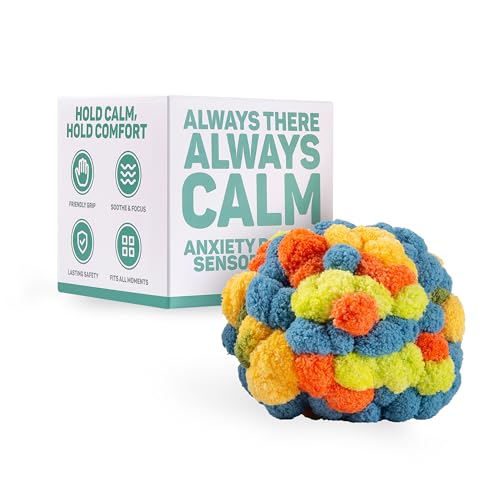
Many people with dementia feel restless or anxious and want something to do with their hands. A fidget ball, muff, or blanket offers different textures, zippers, snaps, and ribbons to explore. Because there’s always something new to find, many people return to them again and again. Look for options with secure stitching and no small pieces that could come loose.


2. Large-piece puzzles-With engaging images, these specially designed puzzles are a good way to exercise focus and provide a sense of accomplishment. Sets with durable pieces are easy to handle. Choose tranquil scenes over busy or abstract designs.

3. Water Painting Canvases-Just add water with a brush and colors appear. These reveal-style canvases give people the joy of creating without mess, pressure, or “wrong” results. They also dry and can be used again, which makes them a budget-friendly gift.

4. Adult Coloring Books With Simple Designs-Coloring can be calming and gives structure to quiet afternoons. Pick books with big, bold outlines and familiar subjects, and pair them with chunky, easy-grip crayons or washable markers.

Gifts That Spark Some Remembrance
5. Photo Books-As dementia progresses, people often feel most at home in memories from childhood and young adulthood. Reminiscence picture books filled with vintage images of familiar objects, places, and everyday life can start conversations and bring real delight.

6. Digital Picture Fram With WiFi Photo Upload-A touchscreen frame lets relatives and friends send new photos from their phones through a simple app, so your loved one sees fresh and beloved images without lifting a finger. Frame can sit on a shelf or hang on the wall. It’s a lovely way to stay connected if you live far away. Excellent gifts for people with dementia and Alzheimer’s.

7. Personalized Memory Box-This one you can put together yourself. Fill a small box with safe, meaningful keepsakes: an old postcard, a favorite scarf, a smooth stone from a favorite beach, a recipe card in familiar handwriting. Handling real objects can prompt stories and calm moments. Label each item on the back with a short note so visitors and caregivers can join the conversation.

8. Custom Music Playlist And Simple Music Player-Music often reaches people when words no longer do. A simple player with large on/off and volume buttons is far easier to manage than a smartphone. Load it with songs from their teenage and young adult years, along with favorite hymns or audiobooks. Spend an afternoon asking friends and relatives to suggest songs. The playlist itself becomes part of the gift.

Gifts That Comfort and Calm People With Memory Issues
9. Lifelike Animatronic Pets-Realistic companion pets, like a robotic dog or cat that purrs, moves, and responds to touch, can ease loneliness and offer a soothing routine of care and affection. Many families and care communities report that they bring comfort without the responsibilities of a live animal.

10. Weighted Lap Blanket Or Pillow-A small-weighted blanket can feel like a gentle hug. Choose a lightweight option and check that it can be washed and that the seams are secure. Weighted items aren’t right for everyone, so check with a doctor or care team first, and make sure your loved one can easily remove the blanket on their own.

11. Soft, Easy-On Comfort Clothing-Adaptive clothing with magnetic closures or Velcro, along with cozy cardigans, non-slip slippers, and soft socks, makes dressing more dignified and less stressful. Choose comfortable fabrics in colors and styles they’ve always liked.

12. Unscented Or Lightly Scented Hand Lotion-A hand massage is a quiet, caring ritual. Choose a mild, fragrance-free lotion, or a familiar scent they’ve loved for years. Some people become sensitive to strong smells, so test a small amount first.

Gifts That Support Daily Life
13. Large Digital Day Clock-People with memory loss often ask what day or time it is. A large-display clock that spells out the full day, date, and time of day (with no abbreviations) offers reassurance at a glance and cuts down on repeated questions for caregivers.

14. Amazon Echo Show or Similar Smart Display-With voice commands, this smart display can play music, make video calls, set reminders, and let caregivers “drop in” to check on a loved one. It’s best for people in the earlier stages who are comfortable with technology, or for homes where a caregiver manages the setup.

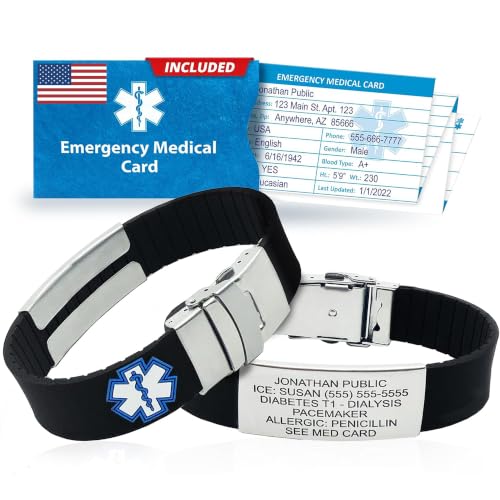
15. GPS Tracker or Medical ID Bracelet-Wandering is a real safety concern for many people with dementia. A medical ID bracelet with an emergency contact, or a discreet GPS device made for seniors, provides valuable peace of mind. This may be less of a “fun” gift, but it can be one of the most caring.
Gifts to Avoid
- Complicated gadgets with many steps or tiny buttons
- Childish toys that may feel patronizing
- Anything with small, swallowable parts
- Real food gifts that could conflict with dietary needs or swallowing difficulties
- Items that require lots of upkeep, such as live plants or pets
Frequently Asked Questions
What is a good gift for someone with dementia?
Simple, sensory, and familiar items tend to work best, such as fidget blankets, photo books, music players, and comfort items. The right choice depends on their interests and stage of dementia.
What are good gifts for someone with Alzheimer’s in the late stages?
Focus on comfort and the senses: soft blankets, hand lotion, favorite music, and animatronic pets. Gifts that need little thinking or coordination are usually best.
What can you give an older person with memory issues who is still independent?
Early on, a digital photo frame, a large-print clock, large-piece puzzles, and a smart display can support independence while keeping them connected to family.
Are weighted blankets safe for people with dementia?
They can be soothing, but they aren’t right for everyone. Talk to a doctor or care team, choose a lighter weight, and make sure the person can remove it themselves.
What should you not give someone with dementia?
Avoid anything complicated, anything with small parts, and anything that feels babyish. Surprises that cause confusion, like a very noisy or flashing toy, can also be upsetting.
How can I make gifts for people with dementia and Alzheimer’s more meaningful?
Personalize it with family photos, favorite songs, or items tied to their past hobbies or career. A handwritten note, or a label naming each family member in a photo book, can help too.
For Additional Resources about Dementia And Alzheimer’s, click here.
