

Caregiving is one of the most physically demanding jobs a person can take on. Whether you’re helping an aging parent, a spouse recovering from surgery, or someone living with a chronic illness or disability, the lifting, bending, reaching, and supporting can quickly take a toll on your body. In fact, many family caregivers experience back pain, shoulder strain, and sore muscles simply from assisting with everyday activities like getting out of bed, standing up from a chair, or transferring to a wheelchair.
The good news is that you do not have to rely on your own strength and stamina alone with these 10 Back-Saving Products for Caregivers.
The right caregiving equipment can make daily tasks safer, reduce your risk of injury, and help your loved one feel more secure and independent. While no product replaces proper lifting techniques (please consult your physician and/or physical therapist to learn proper techniques), these tools can significantly reduce physical strain and make caregiving much more manageable.
Please note: This article is not intended to nor should be construed as providing medical or legal advice. It is for education purposes only. `Please consult a licensed professional for such advice. Disclosure: This article contains Amazon affiliate links. If you purchase through one of these links, we may earn a small commission at no additional cost to you. Thank you for supporting our work and helping us continue to provide caregiving resources.
Often Used Back-Saving Products For Caregivers
Transfer (Gait) Belt
One of the first products many professional caregivers recommend is a Transfer Belt, also called a gait belt. Instead of pulling someone up by their arm, which can be uncomfortable and unsafe, a transfer belt gives you multiple sturdy handhold positions around the person’s waist. This allows you to provide balanced support to someone who can bear some weight, while you help them:
- Stand from a chair
- Walk safely
- Pivot during transfers
- Move between a bed, wheelchair, or toilet
Look for a gait belt with multiple padded handles, a quick-release buckle, reinforced stitching, and adjustable sizing such as:

Positioning Bed Pad (Transfer Sheet)
Repositioning someone in bed is one of the most common causes of caregiver back injuries.
A positioning bed pad, sometimes called a Transfer Sheet, slides underneath the person’s body and includes reinforced handles around the edges. Instead of pulling directly on clothing or sheets, caregivers can use the handles to:
- Turn someone onto their side
- Reposition them higher in bed
- Assist with sitting upright
- Reduce friction on delicate skin
Choose a model that is waterproof, machine washable, non-slip. Speaking from experience, I recommend buying a two-pack of these transfer sheets so one can be on the bed while one is washing.

Bed Rails for Added Safety
Getting into and out of bed is often challenging for older adults or individuals with mobility issues. Bed Rails provide a stable handhold that allows your loved one to help push themselves into a sitting or standing position while giving caregivers extra support during transfers. Properly installed bed rails may help reduce accidental falls out of bed, as well.
Look for models that meet ASTM safety standards and offer adjustable length, storage pockets, easy installation, as well as safety straps. Speak with a health professional to make sure a bed rail is right for your particular care recipients’ situation.

Slide Sheets for Car Transfers
Getting into and out of a vehicle can be surprisingly difficult for someone with limited mobility. A car Slide Sheet uses a slick, low-friction material that helps individuals rotate into position with much less effort. This simple product can dramatically reduces twisting motions that commonly strain the lower back.
These are especially helpful for:
- Hip replacement recovery
- Arthritis
- Parkinson’s disease
- Limited leg strength
- Wheelchair users

Auto Support Handle (Car Assist Cane)
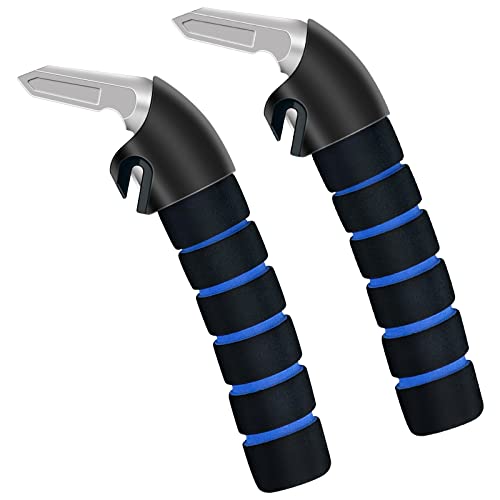
Sometimes it’s the smallest products that make the biggest difference. An Auto Support Handle fits securely into the U-shaped door latch found on most vehicles, creating a sturdy grab handle that helps someone safely sit down or stand up. It fits easily in the glove compartment for handy storage.
Many models also include emergency features such as:
- Seatbelt cutter
- Window breaker
- Non-slip grip
Power Lift Recliner Chair
A Power Lift Recliner is one of the most helpful long-term investments for many caregiving families. With the push of a button, the chair gently raises the user toward a standing position, greatly reducing the effort needed from both caregiver and care recipient. For someone who struggles getting up from a traditional chair several times a day, a lift recliner can improve both safety and independence while significantly reducing the caregiver’s physical workload.
Quality models often include:
- Easy- to-Use Remote For Lift or Recline
- Wipe Down Surface To Keep Sanitary
- USB charging ports
- Side storage pockets
- Cup holders

Transfer Bench for Safer Bathing
For many caregivers, helping someone get into and out of the bathtub is one of the most stressful parts of the day. Wet surfaces and stepping over a high tub wall can increase the risk of slips and falls for both the caregiver and the care recipient. A Transfer Bench makes this task much safer. Instead of stepping over the edge of the tub, your loved one sits on the bench outside the tub and then slides across into the bathing area. This reduces the need for lifting and twisting, which can put significant strain on your back.
Look for a transfer bench that includes adjustable legs to accommodate different tub heights, drainage holes to reduce water buildup, and non-slip rubber feet for added stability. A model that features a backrest and armrest for additional comfort and support is helpful.

Toilet Safety Rails
Standing up from a toilet can become surprisingly difficult as we age or recover from surgery. Many caregivers instinctively reach out to pull their loved one to a standing position, which often puts unnecessary strain on both people. Toilet Safety Rails provide sturdy handholds on both sides of the toilet, allowing individuals to push themselves up using their own upper-body strength whenever possible (much better than someone trying to use a towel bar or nearby furnniture to get up).
These rails are especially useful for people recovering from or living daily with:
- Joint replacement surgery
- Stroke
- Spinal injuries
- General muscle weakness
- Balance disorders
Many models feature adjustable widths and heights, padded armrests for comfort, and tool-free assembly.

Long-Handled Reacher Tool
Sometimes preventing injuries is as simple as eliminating unnecessary bending and stretching. A Long-Handled Reacher tool allows caregivers and care recipients to safely pick up objects from the floor or reach items stored on higher shelves without excessive bending, twisting, or climbing.
These lightweight tools typically feature an easy-to-squeeze trigger and rubberized gripping jaws that can securely hold a wide variety of household items. They’re excellent for picking up:
- Clothing
- Remote controls
- Water bottles
- Medication containers
- Lightweight household items

Adjustable Overbed Table
An Adjustable Overbed Table is one of the handiest pieces of caregiving equipment you can own. While it’s commonly associated with hospitals, it can be incredibly useful in the home as well. These rolling tables provide a stable surface that slides over a bed or chair, making it easier for someone with limited mobility to eat meals, read, use a laptop or tablet, complete puzzles, organize medications, or enjoy hobbies without constantly getting up.
For caregivers, an overbed table also helps keep important items within easy reach, reducing repeated trips across the room and minimizing unnecessary movement for the person receiving care.

You don’t have to purchase every mobility aid all at once. Start by identifying the daily tasks that are most physically demanding or pose the greatest safety risk.
For many families, beginning with a transfer belt, shower transfer bench, toilet safety rails, and a long-handled reacher can significantly reduce physical strain and prove to be truly back-saving products for caregivers. As your loved one’s needs change, additional equipment, such as an overbed table or power lift recliner, can further improve comfort, safety, and independence.
Frequently Asked Questions About Back-Saving Products For Caregivers
What should I do if my loved one is too heavy to transfer safely?
Never risk injuring yourself. Ask your healthcare provider for a referral to a physical or occupational therapist. They can recommend mechanical lifts, sit-to-stand devices, or additional mobility equipment that matches your loved one’s abilities.
Is it safe to pull someone up by their arms?
Generally, no. Pulling someone by their arms or shoulders can cause pain or injury, especially if they have arthritis, osteoporosis, or shoulder problems. Using a transfer belt or other mobility aid provides much better support and reduces the risk of injury.
Should I receive training before using transfer equipment?
Yes. If you are not familiar with transfer belts or other mobility devices, ask your loved one’s physician about a referral to a physical therapist or occupational therapist. They can demonstrate proper techniques.
How can I make my bathroom safer for caregiving?
The bathroom is one of the most common locations for falls. Consider adding grab bars, a transfer bench or shower chair, non-slip bath mats, a handheld showerhead, and toilet safety rails. Keeping toiletries within easy reach can also reduce unnecessary bending and stretching.
For more Caregiving Tips and Resources, check out the Home Safety Checklist For Caregivers.
